Miss the 10 Best Days and You Miss Half the Returns
Twenty years of S&P 500 data shows that missing just 10 of the best days cut returns nearly in half. The cruel part: the best days hide inside the worst ones.
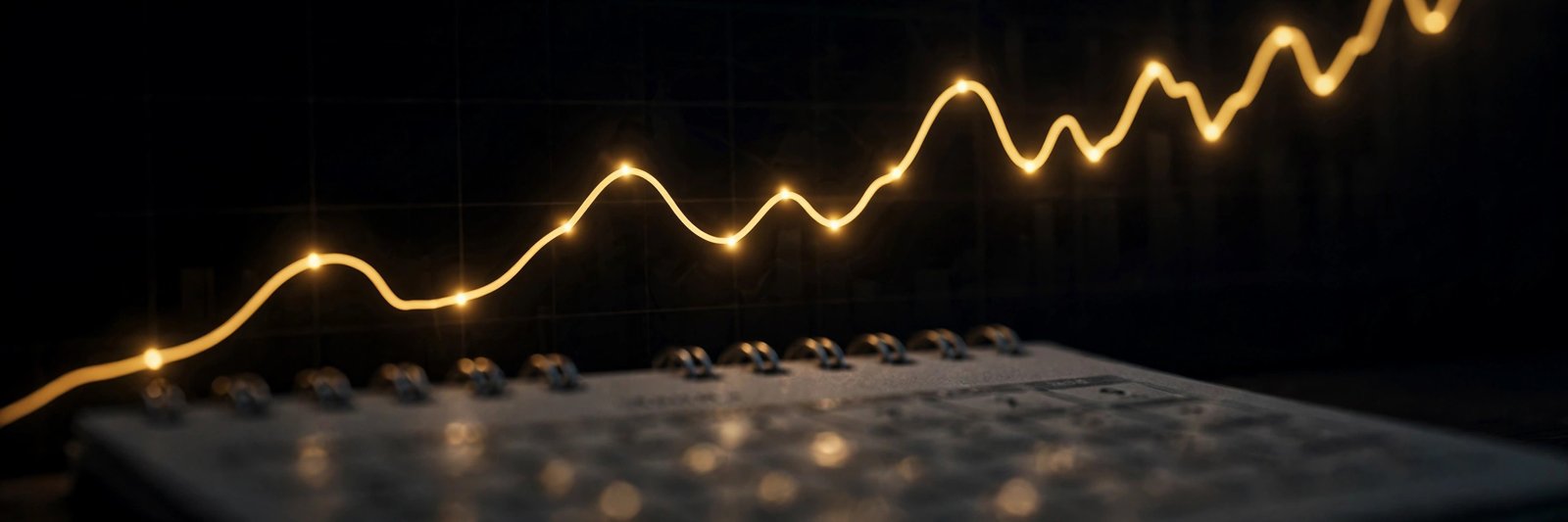
Every investor knows the feeling. The market drops hard, the headlines scream, and the urge to sell — to step aside "until things calm down" — feels like common sense. According to twenty years of market data, it is also one of the most expensive mistakes an investor can make.
The numbers: twenty years, $10,000
J.P. Morgan Asset Management's Guide to the Markets runs a simple experiment. Invest $10,000 in the S&P 500 on January 1, 2003, hold until December 30, 2022, and then ask what happens if you miss just a handful of the best days along the way. The answer:
- Invested all 20 years: $64,844 — 9.8% annualized
- Missed the 10 best days: $29,708 — 5.6% annualized
- Missed the 20 best days: $17,826 — 2.9% annualized
- Missed the 30 best days: $11,701 — 0.8% annualized
- Missed the 40 best days: $8,048 — -1.1% annualized
- Missed the 60 best days: $4,205 — -4.2% annualized
Read that again. Ten days out of roughly five thousand trading sessions — two-tenths of one percent of the time — and nearly half the return is gone. Miss forty of the best days and two decades of patience turn into an outright loss.
The best days hide inside the worst ones
Here is the part nobody tells you: 7 of those 10 best days occurred within two weeks of the 10 worst days. The market's biggest rebounds do not arrive during calm, confident stretches. They arrive in the middle of the storm — often the session after a brutal selloff, when fear is at its peak and selling feels most rational.
Volatility clusters. Panic and euphoria feed on the same uncertainty, so the largest up days and the largest down days tend to live side by side. An investor who sells to "avoid the worst days" almost always sells right before the best ones. You cannot surgically remove the pain while keeping the recovery — they come as a package deal.
Why smart people still try to time it
If the data is this clear, why does market timing remain so popular? Because the human brain was not built for probabilistic thinking under stress. Losses hurt roughly twice as much as equivalent gains feel good, so the relief of selling during a crash feels like a win — even when it locks in the loss and forfeits the rebound.
Add alarming headlines, friends bragging about getting out in time, and the illusion that this time the warning signs were obvious, and you get a reliable machine for buying high and selling low. Hindsight makes every crash look predictable and every recovery look like luck. In real time, neither is true.
"The market's biggest up days arrive exactly when it feels worst to be invested. That is not a coincidence — it is the price of admission."
What to do instead
You do not need to predict anything. You need a structure that keeps you invested when your instincts scream otherwise:
- Stay invested by default. Make selling the decision that requires justification — not the other way around.
- Invest on a schedule. Regular contributions buy more shares when prices are low, automatically doing what market timing promises and rarely delivers.
- Write the plan down. Decide in advance what you will do in a 20% drawdown, while you are calm. Then follow the document, not your pulse.
- Keep an emergency fund outside the market. Being forced to sell during a crash because you need the cash is the one timing mistake that is not psychological at all.
- Rebalance, don't retreat. Returning to your target allocation after big moves keeps risk in check without requiring a market forecast.
Summary
Missing the 10 best days nearly halved twenty years of returns — and those days arrived disguised as the scariest moments to stay invested. The investors who captured the full 9.8% did nothing clever. They simply stayed. In markets, endurance is a strategy.
This content is provided for educational and informational purposes only. It does not constitute investment, financial, legal, accounting or tax advice. Financial markets involve risk, including the possible loss of capital. Readers should evaluate information independently and consult qualified professionals when appropriate.
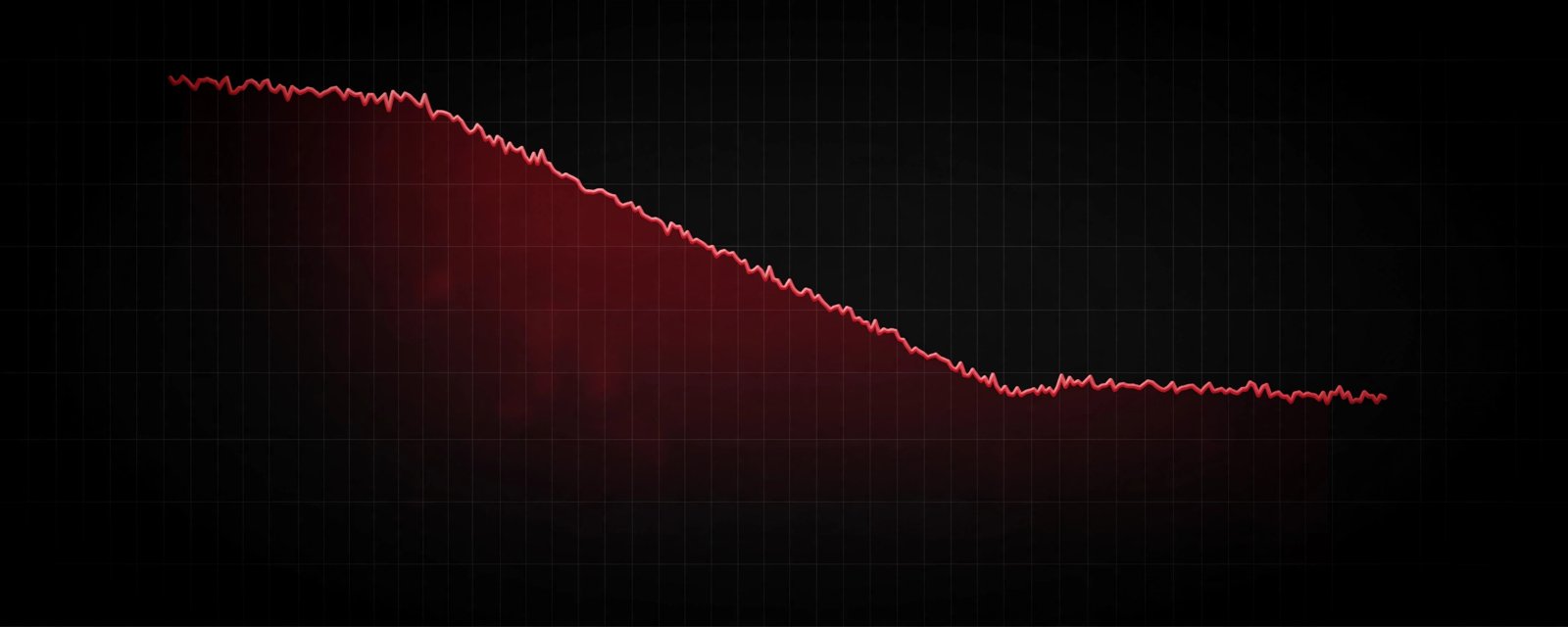
What Is Market Drawdown and Why Does It Matter?
Drawdown measures peak-to-trough decline. Understanding it changes how you think about risk, recovery and long-term returns.
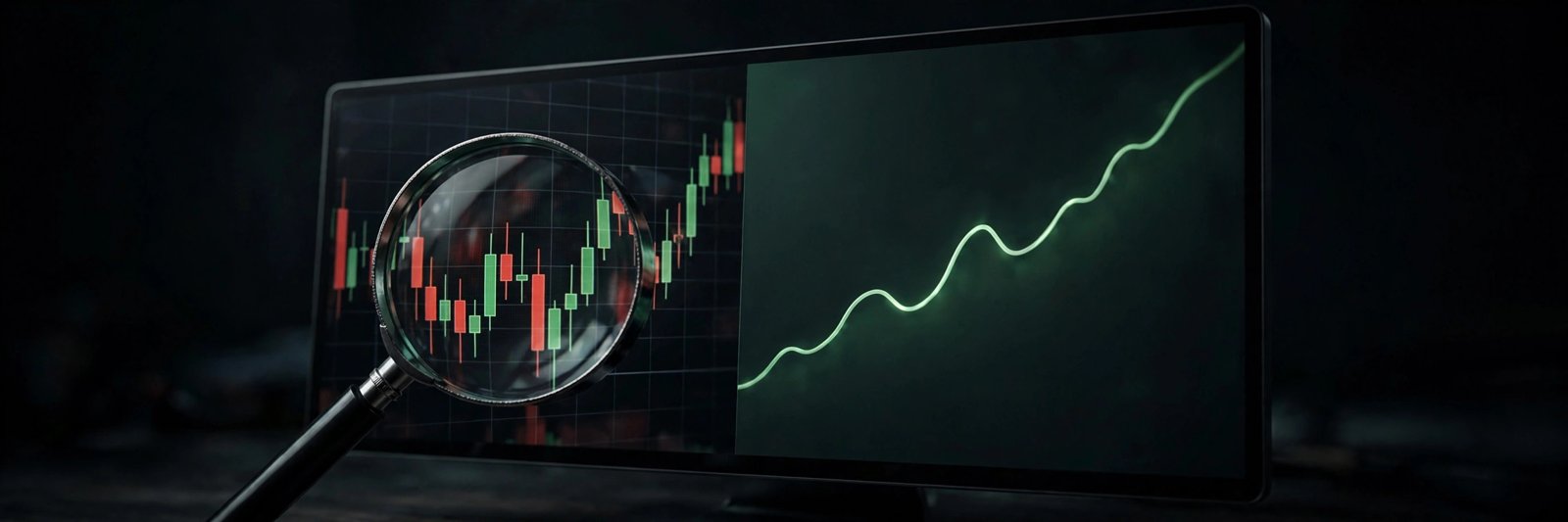
Active Investing vs. Passive Investing
A balanced comparison covering costs, decision-making, diversification, time commitment, behavioral risk and long-term objectives.

How Inflation Affects Cash, Debt and Investments
Inflation is a silent tax on savings, a friend to fixed-rate borrowers and a mixed force for investments. Here is the plain-language mechanics.